I am a legitimate American (to some "The Murican") and Western business face, not the stereotyped one. Author's Note: I write in my authentic voice, not corporate jargon. Sanitizing my language to fit traditional decorum would compromise the lived reality on the page and contradict the exact thesis of this work. Being American is not … Continue reading The White Face Fallacy: Who Really Opens the U.S. Market for Japanese Brands
Tag: food
Cultural Critique: When “Japanese” Becomes an Unearned Quality Mark
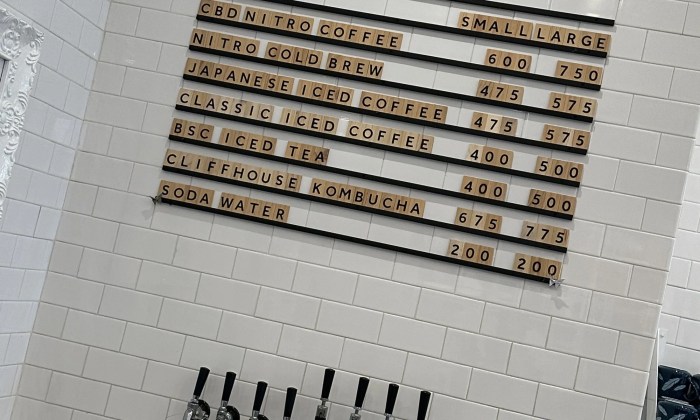
It feels like every time I am at Blue Sparrow Coffee, I hear someone asking what is “Japanese iced coffee.” While at Blue Sparrow, I chuckled out loud even with the dude across from me on a Zoom call of sorts when reading their FAQ because it literally says: “This is by far the most … Continue reading Cultural Critique: When “Japanese” Becomes an Unearned Quality Mark
Brand Audit: Ramla Restaurant Group
Ambitious Scale Meets Branding Dilution – Lessons from a Failed U.S. Expansion Source Material: September 2, 2016 article (updated 2021) on oishii-desu.com, cross-referenced with later public outcomes. Shared to protect Japanese brand integrity and help them succeed in the U.S. market without dilution or missteps, not to criticize. Executive Summary Ramla Inc. (founded 1980 in … Continue reading Brand Audit: Ramla Restaurant Group
Brand Audit: SomiSomi
Brand Audit: SomiSomi Soft Serve & TaiyakiIndependent Cultural & Strategic Assessment Greg Taniguchi Brand Audit Executive Summary SomiSomi, founded in 2016 in Los Angeles’ Koreatown by Matt Kim, has grown into a major U.S. chain (33+ locations across California, Texas, Nevada, Washington, and expanding) by popularizing the “ah-boong” format: a Korean bungeo-ppang fish-shaped pastry filled … Continue reading Brand Audit: SomiSomi
Brand Audit: San-J (Jirushi)
Brand Audit: San-J (Jirushi) — How an 8th-Generation Japanese Soy Sauce Company Cracked the U.S. Market Without Compromising What Made It Great Independent assessment of San-J's U.S. market strategy versus the typical Japanese food brand entry model, identifying the decisions that led to category dominance and authentic brand equity. Shared to protect Japanese brand integrity … Continue reading Brand Audit: San-J (Jirushi)
Brand Audit: Japanese Ramen Chains and Restaurants in the U.S. Market
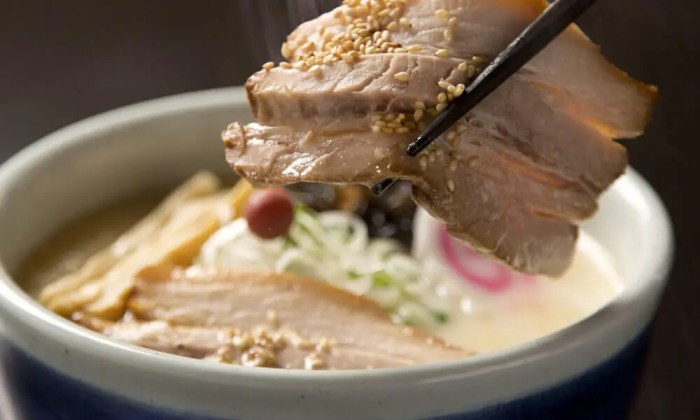
Brand Audit: Japanese Ramen Chains and Restaurants in the U.S. Market – Proliferation, Authenticity Standards, and Risks of Dilution Shared to protect Japanese brand integrity and help them succeed in the U.S. market without dilution or missteps, not to criticize. ObjectiveThis audit examines the development of Japanese ramen in the United States. It reviews the … Continue reading Brand Audit: Japanese Ramen Chains and Restaurants in the U.S. Market
Brand Audit: The Proliferation of Chinese to Korean-Owned “Japanese” Restaurants in the U.S.
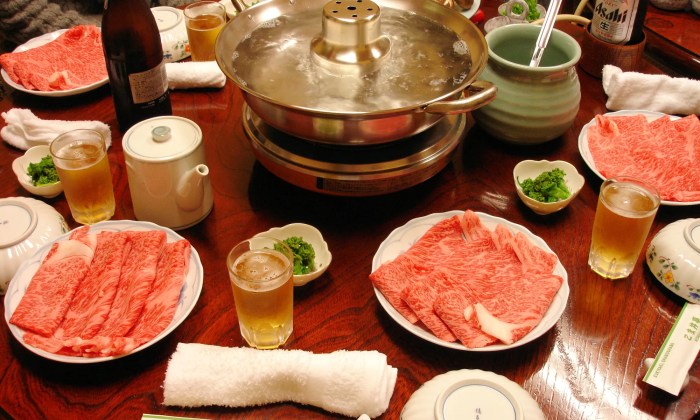
Brand Audit: The Proliferation of Chinese to Korean-Owned “Japanese” Restaurants in the U.S. — Cultural Misrepresentation and Erosion of Authentic Japanese Brand Integrity ObjectiveIndependent assessment of the widespread use of Japanese restaurant branding (hibachi, shabu-shabu, sushi, taiyaki, etc.) by non-Japanese operators — often Chinese-owned — in the U.S. market, identifying how this practice dilutes Japanese … Continue reading Brand Audit: The Proliferation of Chinese to Korean-Owned “Japanese” Restaurants in the U.S.
Brand Audit: Tokyo Joe’s
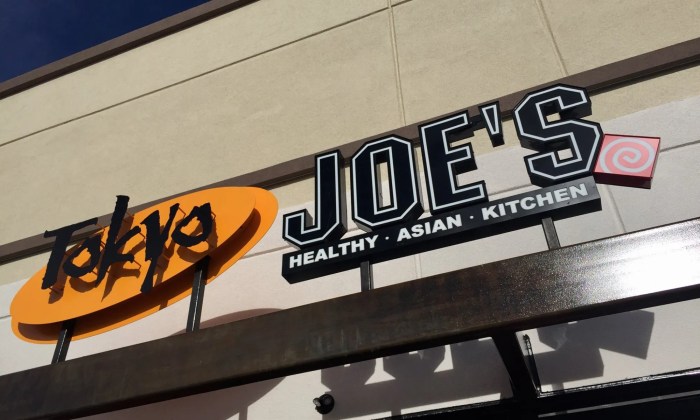
Brand Audit: Tokyo Joe’s — How a Colorado Restaurant Chain Uses Japanese Branding to Market Non-Japanese “Asian Fusion” Food ObjectiveIndependent assessment of Tokyo Joe’s branding and menu strategy, identifying how the company leverages Japanese cultural prestige (“Tokyo” name, Japanese terminology) while serving primarily Southeast Asian and American fusion dishes, resulting in brand misrepresentation and dilution … Continue reading Brand Audit: Tokyo Joe’s
Brand Audit: The Bastardization of “Ramen” in the U.S. Market
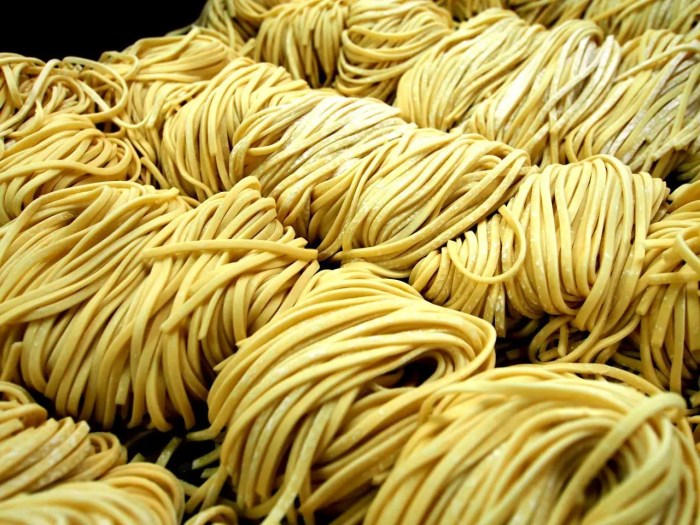
Brand Audit: The Bastardization of “Ramen” in the U.S. Market — How American Producers Have Turned a Protected Japanese Noodle into Generic Instant Noodles ObjectiveIndependent assessment of the misuse of the term “ramen” in the U.S. food industry, identifying how non-Japanese producers have diluted its cultural and technical meaning, resulting in lost equity for authentic … Continue reading Brand Audit: The Bastardization of “Ramen” in the U.S. Market
Brand Audit: Tokyo Table (Toridoll)
Brand Audit: Tokyo Table (Toridoll) — Why a Large Japanese Restaurant Group’s U.S. Business Model Dilutes Brand Authenticity and Stalls Growth Independent assessment of Tokyo Table’s U.S. restaurant business model versus authentic Japanese dining execution, identifying root causes of brand dilution, mediocre customer reception, and repeated location failures. Shared to protect Japanese brand integrity and … Continue reading Brand Audit: Tokyo Table (Toridoll)